The short version
Effective mosquito control combines eliminating standing water, using EPA-registered repellents, and often hiring a professional for barrier treatments or larvicides. For severe infestations, a seasonal plan from a licensed pest control company is the most reliable solution.
- Female mosquitoes bite; they need blood to produce eggs and are attracted to CO2, body heat, and certain scents.
- Standing water is the #1 breeding ground—eliminate it within 3–4 days to break the life cycle.
- Professional barrier treatments can reduce mosquito populations by most for 2–4 weeks.
- West Nile virus is the most common mosquito-borne disease in the continental US, with hundreds of cases annually.
- DIY methods work for small areas, but large yards or high pressure often require a pro.
Whether you have a small patio, a large suburban lot, or you run a restaurant with outdoor seating, you'll find practical, evidence-based advice. This guide is written for homeowners who want to reclaim their yards from mosquitoes. If you're tired of being bitten every time you step outside, this is for you. Families with young children and pets often want options that work without harsh chemicals, and there are good ones.
What to look for
The problem is compounded by the fact that many homeowners don't realize that mosquitoes rarely travel more than 200–300 feet from their breeding site, meaning your yard's mosquitoes are likely coming from your own property or a neighbor's. Other diseases like Eastern equine encephalitis (EEE) and Zika, though rarer, are also threats. In 2023, the CDC reported over 1,000 cases of West Nile neuroinvasive disease. Beyond the annoyance, mosquitoes pose real health risks: West Nile virus is the leading mosquito-borne illness in the continental US, with outbreaks occurring every summer. A single female can lay hundreds of eggs, leading to exponential population growth if left unchecked. The primary culprits in residential areas are species like Aedes albopictus (Asian tiger mosquito) and Culex pipiens (common house mosquito), which breed in containers, gutters, bird baths, and even bottle caps. In the United States, peak season runs from late spring through early fall, but in the Deep South, activity continues year-round. Mosquitoes thrive in warm, humid conditions and can complete their life cycle from egg to adult in as little as 7–10 days in stagnant water.
- 1Frequent bites, especially during dawn and dusk, when most species are active.
- 2Seeing adult mosquitoes resting in shaded areas like under leaves, porch ceilings, or in tall grass.
- 3Larvae (wrigglers) in standing water—look for small, worm-like creatures moving in bird baths, gutters, or plant saucers.
- 4High-pitched buzzing near ears, which is the sound of a female mosquito's wings.
- 5Unexplained itchy welts on skin, often clustered around ankles and wrists.
- 6Increased mosquito activity after rain or watering the lawn.
- 7Neighbors reporting similar issues, suggesting a neighborhood-wide problem.
Why it’s worth acting soon
- Disease transmission: West Nile virus can cause fever, encephalitis, and even death, especially in older adults and immunocompromised individuals.
- Allergic reactions: Some people develop severe swelling or hives from bites.
- Pets at risk: Heartworm disease, transmitted by mosquitoes, can be fatal to dogs and cats.
- Lost outdoor enjoyment: Your yard becomes unusable during peak hours, affecting barbecues, playtime, and relaxation.
- Population explosion: Neglecting breeding sites can lead to thousands of mosquitoes emerging in a single week.
bite, to get protein for their eggsOnly female mosquitoesUS CDC in standing water, from a bottle cap to a pondMosquitoes breedUS EPA West Nile virus is the most common mosquito-borne disease in the U.S.Mosquito diseasesUS CDC Treatment options and typical costs
Barrier Spray Treatment
$70-$150 per treatment
A licensed technician applies a residual insecticide to vegetation, fences, and shaded areas where mosquitoes rest. The treatment kills adult mosquitoes on contact and provides protection for 2–4 weeks.
- Time
- 15–30 minutes for an average yard
- Best for
- Homeowners with moderate to heavy mosquito pressure who want quick relief.
Larvicide Application
$50-$100 per treatment (often included in plans)
Technicians treat standing water sources (like ponds, ditches, or rain barrels) with a biological or chemical larvicide that kills mosquito larvae before they become adults. Often combined with barrier sprays.
- Time
- 10–20 minutes per site
- Best for
- Properties with permanent water features or drainage issues.
Misting System Installation
$1,500-$3,000 installation + $200-$500/year for refills
An automated system of nozzles installed around the property that releases a fine mist of insecticide at scheduled times (typically dawn and dusk). Requires ongoing refills and maintenance.
- Time
- 1–2 days installation
- Best for
- Large properties or those who want hands-off, daily protection.
Mosquito Traps (e.g., CO2 traps)
$200-$800 for the trap + ongoing lure costs
Devices that emit CO2 and other attractants to lure and capture mosquitoes. Some use propane to generate CO2; others use a fan to suck them into a net.
- Time
- Continuous, 24/7
- Best for
- Supplementing other methods or for smaller, contained areas.
Prices are typical published ranges. Ask what’s included before you compare quotes.
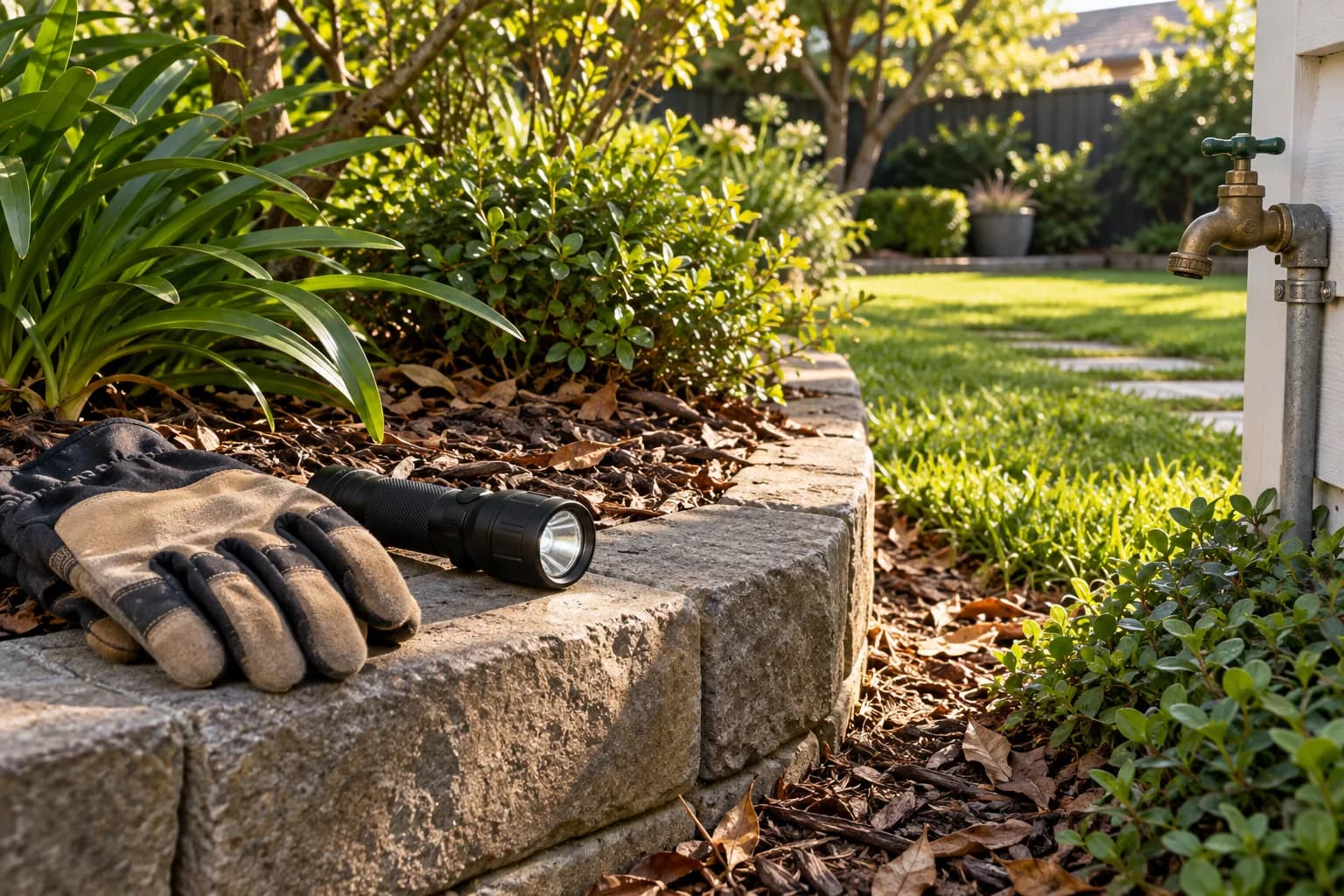 Adult mosquitoes spend the day in shady, leafy beds like this one, so that's where a barrier treatment goes.
Understanding Mosquito Behavior and Biology.
After feeding, a female mosquito will rest for a few days before laying eggs. Mosquitoes can detect CO2 from up to 50 feet away, and once they get close, visual cues and heat guide them to a landing spot. They are attracted to carbon dioxide (CO2) exhaled by humans and animals, as well as body heat, sweat, and certain chemicals like lactic acid. Female mosquitoes are the only ones that bite; they require a blood meal to develop eggs. To effectively control mosquitoes, you must understand their life cycle and habits. This rapid reproduction means that even a single neglected bird bath can produce hundreds of adults per week. The entire cycle can be as short as 7–10 days in warm weather. The larvae (wrigglers) live in water and feed on organic matter, pupating in a few days, and then emerging as adults. Eggs can survive dry conditions for months, hatching when water covers them. She typically lays 100–300 eggs on or near water.
Chemical vs. Natural mosquito control: What Really Works?
Chemical insecticides, such as pyrethroids, are highly effective at killing adult mosquitoes and have long residual activity. The debate between chemical and natural mosquito control is common among homeowners. Many companies now offer 'green' treatments using plant-based or low-toxicity products that are safe around children and pets. For most homeowners, an integrated approach works best: use Bti for standing water, reduce habitat, and consider a professional barrier spray if needed. Bti is a bacteria that kills mosquito larvae without harming other organisms, making it ideal for water gardens. Essential oils provide short-term repellency (30 minutes to a few hours) but do not kill mosquitoes. Natural options include essential oils (e.g., citronella, lemon eucalyptus, peppermint) and biological controls like Bti. Professionals mitigate this by using targeted applications and avoiding flowering plants during bloom. However, they can also affect non-target insects like bees and butterflies if applied carelessly.
 Mosquitoes that bite indoors usually slip in through gaps around doors or torn window screens.
Seasonal mosquito control: Timing Your Treatments for Maximum Impact.
Professionals recommend starting treatment in early spring, before the first big hatch. In the Deep South and Gulf Coast, mosquitoes can be active year-round, but there is still a spring surge. The peak season runs from June through September, with activity declining in October. In most of the US, adult mosquitoes emerge in late spring as temperatures consistently exceed 50°F. mosquito control is most effective when timed to the pest's life cycle. Many pest control companies offer seasonal plans that include 4–6 treatments, which is typically enough to keep populations low throughout the season. If you have a misting system, set it to run at dawn and dusk, when mosquitoes are most active. For larvicides, apply them to standing water as soon as temperatures warm up and continue monthly. Then follow up every 3–4 weeks through summer. A single early-season barrier spray can knock down overwintering adults and slow population buildup.
What affects the price
- Property size: Larger yards require more product and labor, increasing cost.
- Severity of infestation: Heavy populations may require multiple treatments or higher concentrations.
- Treatment frequency: One-time treatments are cheaper per visit, but seasonal plans offer better value long-term.
- Accessibility: Properties with dense vegetation, steep slopes, or many water features cost more to treat.
- Type of product: Eco-friendly or organic options often cost more than synthetic pyrethroids.
- Geographic location: Prices vary by region; urban areas tend to be higher than rural.
- Re-treatment terms: plans that include return visits if mosquitoes come back may cost more upfront.
📊
What is your biggest mosquito control challenge?
When to call for help
A pro can inspect for hidden breeding sites (like clogged gutters or low spots) and apply treatments that are far more effective than anything available to consumers. If you've tried eliminating standing water, using repellents, and running fans but still see more than a few mosquitoes each evening, it's time to call a professional. Also call if you or a family member has had a severe reaction to a bite, if your property is near a wetland or marshy area, or if you're hosting an outdoor event.
What you can do yourself
The trade-off is cost: DIY is cheaper upfront but may not solve the problem. For families with kids or pets, professional eco-friendly options are available and often include written warranty terms that vary by pro. DIY methods can work for small, well-maintained yards. Removing standing water, using larvicide dunks in bird baths, and running a fan on your patio can reduce bites significantly. But for most homeowners, especially those with larger lots or heavy mosquito pressure, professional treatment is more effective and less time-consuming. A pro's barrier spray uses concentrated insecticides that last weeks, while DIY sprays often degrade in days. Plus, pros have access to larvicides that can treat water sources without harming fish or pets.
Where you live matters
mosquito control needs vary dramatically across the United States. In the Northeast and Midwest, the season is relatively short—May through September—but can be intense, especially after wet springs. Homeowners in these regions should focus on draining standing water after rains and consider early-season professional treatments. In the South, from Texas to Florida, mosquitoes are a year-round problem. The Asian tiger mosquito, an aggressive daytime biter, is common in urban areas. Residents should use a combination of larvicides and barrier sprays, and be vigilant about container breeding. In the arid West, mosquitoes are less prevalent but can still be a problem near irrigated lawns and ornamental ponds. The biggest risk in the West is West Nile virus, which spikes during hot, dry summers when mosquitoes breed in urban runoff. Regardless of region, the principles remain the same: eliminate water, use repellents, and consider professional help for heavy infestations. Many local pest control companies offer inspections and can tailor a plan to your specific area's mosquito species and season.
Simple ways to keep mosquitoes away
- Eliminate standing water: Empty and scrub bird baths, flower pot saucers, gutters, and kids' toys at least once a week.
- Keep grass and shrubs trimmed: Mosquitoes rest in tall grass and overgrown vegetation during the heat of the day.
- Use mosquito dunks: Place Bacillus thuringiensis israelensis (Bti) dunks in ponds, rain barrels, or any water that can't be drained.
- Install screens: Ensure windows and doors have tight-fitting screens to keep mosquitoes out of your home.
- Run a fan: Mosquitoes are weak fliers; a strong breeze (even from a box fan) can keep them away from a patio or deck.
- Treat with EPA-registered repellent: Use DEET, picaridin, or oil of lemon eucalyptus on exposed skin when outdoors.
- Coordinate with neighbors: Mosquitoes don't respect property lines; a neighborhood-wide effort to reduce breeding sites is most effective.
 When you compare quotes, look at the season total, how many visits it covers and what happens if the bites come back.
Did you know?
Only female mosquitoes bite; they need the protein from blood to produce eggs. Males feed on nectar.
Mosquitoes can detect the carbon dioxide you exhale from up to 50 feet away.
Some mosquito species can lay eggs that remain dormant for years, hatching only when conditions are right.
Questions people ask
What is the most effective mosquito control method?
A combination of source reduction (eliminating standing water) and professional barrier treatments is the most effective. Source reduction targets breeding sites, while barrier sprays kill adult mosquitoes and provide weeks of protection.
How often should I treat my yard for mosquitoes?
For most properties, professional treatments every 3–4 weeks during the active season (late spring to early fall) are sufficient. In areas with year-round mosquito activity, monthly treatments may be needed.
Are mosquito sprays safe for pets and children?
When applied by a licensed professional according to label instructions, barrier sprays are safe for pets and children once the spray has dried (usually within 1–2 hours). Many companies offer pet-safe and organic options.
How can I get rid of mosquitoes in my backyard naturally?
Natural methods include removing standing water, using mosquito dunks (Bti) in water features, planting mosquito-repelling plants like citronella and lavender, and using fans to create air movement. However, natural methods alone may not eliminate heavy infestations.
What attracts mosquitoes to my yard?
Mosquitoes are attracted to standing water for breeding, shaded areas for resting, and the carbon dioxide, body heat, and scent of humans and pets. Tall grass, overgrown shrubs, and clutter also provide harborages.
How long do mosquito treatments last?
Professional barrier treatments typically last 2–4 weeks, depending on weather (rain can wash them away) and the product used. Misting systems provide continuous protection but require refills every 30–60 days.
Do mosquito traps really work?
Mosquito traps can capture and kill adult mosquitoes, but they are best used as a supplement to source reduction and barrier treatments. They may not reduce biting pressure significantly if breeding sites remain.
What is the best time of day to apply mosquito repellent?
Apply repellent before going outdoors, especially during peak mosquito activity at dawn and dusk. Reapply according to the product label, typically every 2–4 hours for DEET-based repellents.
Should I worry about West Nile virus from mosquitoes in my yard?
In Homeowners, yes, mosquitoes can transmit West Nile virus and other diseases, so control is about reducing both the nuisance and the risk. West Nile virus is the most common mosquito-borne disease in the U.S.
Sources (11)
The facts in this article come from the public sources listed above. Every home is different, so ask the company you talk to about pricing and what’s included. Published by Mosquito Exterminator · Updated September 11, 2026 · How we write these guides