The short version
Professional mosquito control typically involves barrier sprays, larvicides, and source reduction. Treatments cost $70-$150 per visit, with seasonal plans from $400-$1,200. An inspection can identify breeding sites and tailor a plan.
- Mosquitoes are the deadliest animal to humans, transmitting diseases like West Nile virus.
- Professional treatments use EPA-registered products applied as barrier sprays or granules targeting breeding sites.
- DIY methods like removing standing water and using repellents help but rarely eliminate infestations alone.
- Seasonal plans (4-8 treatments) are most effective in regions with long mosquito seasons.
- Inspections identify hidden breeding grounds and customize treatment for your property.
This guide is for homeowners, families with children or pets, restaurant owners, and anyone frustrated by mosquitoes on their property. Whether you're considering professional treatment for the first time or looking to improve your current approach, this page delivers the facts you need to make an informed decision.
What to look for
Mosquitoes are not just annoying—they are a public health hazard. A single female mosquito can lay hundreds of eggs in a backyard birdbath or a clogged gutter. In warm water, development from egg to adult can take as little as 7-10 days. That means a small puddle can spawn a new generation every week. The CDC reports that West Nile virus has been found in all 48 contiguous states, and local health departments regularly issue alerts during peak season (late spring through early fall). In the Deep South, mosquito season is year-round, with constant vigilance required.
- 1Frequent mosquito bites, especially during dawn and dusk or after rain.
- 2Seeing mosquitoes resting on walls, under leaves, or in shaded areas during the day.
- 3Standing water on your property: birdbaths, clogged gutters, old tires, plant saucers, kiddie pools.
- 4Larvae (wrigglers) visible in standing water—small worm-like creatures that move in jerky motions.
- 5High-pitched buzzing near ears, especially at night (some species are active after dark).
- 6Neighbors reporting similar issues; mosquitoes can travel up to a mile from breeding sites.
- 7Presence of mosquito eggs—dark, tiny rafts floating on stagnant water surfaces.
Why it’s worth acting soon
- Disease transmission: West Nile virus, Eastern equine encephalitis (EEE), and Zika virus are real threats.
- Increased population: Each female can produce up to 300 eggs per batch, leading to exponential growth.
- Property devaluation: Heavy infestations make outdoor spaces unusable, affecting home enjoyment and business revenue for restaurants.
- Allergic reactions: Some people develop severe swelling or infections from bites.
- Pet vulnerability: Mosquitoes transmit heartworm to dogs and cats, which can be fatal.
bite, to get protein for their eggsOnly female mosquitoesUS CDC in standing water, from a bottle cap to a pondMosquitoes breedUS EPA West Nile virus is the most common mosquito-borne disease in the U.S.Mosquito diseasesUS CDC Treatment options and typical costs
Barrier Spray Treatment
$70-$150
An EPA-registered insecticide is applied to vegetation, fences, and shaded areas where mosquitoes rest. The spray kills adults on contact and leaves a residual that lasts 3-4 weeks. Technicians use low-pressure sprayers for thorough coverage.
- Time
- 30-45 minutes per visit; residual lasts 3-4 weeks
- Best for
- Immediate reduction of adult mosquitoes; ideal for one-time events or monthly maintenance.
Larvicide Treatment
$50-$100 (add-on to barrier treatment)
Granules or briquettes containing bacteria (Bti) or insect growth regulators are applied to standing water sources like ponds, rain barrels, and ditches. They target mosquito larvae before they become biting adults.
- Time
- Lasts 30-90 days depending on product; reapply after heavy rain
- Best for
- Properties with permanent water features or chronic standing water issues.
Seasonal Mosquito Plan
$400-$1,200 (annual)
A scheduled program of 4-8 treatments throughout the active mosquito season (April–October in most regions). Includes barrier sprays, larvicides, and periodic inspections for new breeding sites. Often includes written warranty terms that vary by pro.
- Time
- Season-long coverage; each visit 30-60 minutes
- Best for
- Homeowners wanting consistent, worry-free control all season; best value for high-pressure areas.
Prices are typical published ranges. Ask what’s included before you compare quotes.
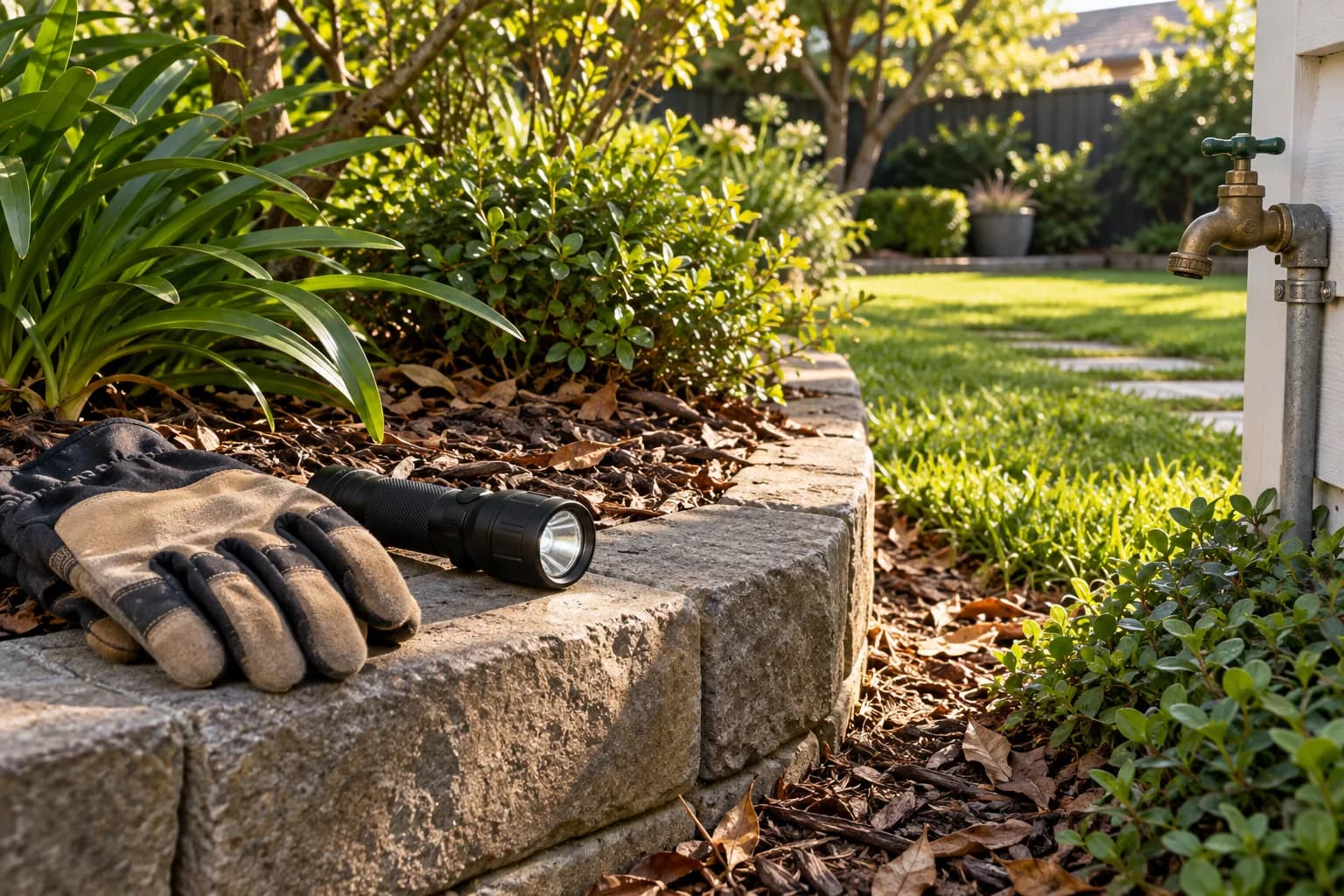 Adult mosquitoes spend the day in shady, leafy beds like this one, so that's where a barrier treatment goes.
How Professional Mosquito Treatment Works.
The spray contains a synthetic pyrethroid (like permethrin or deltamethrin) that kills mosquitoes on contact and leaves a residual film that remains active for weeks. The primary treatment is a barrier spray applied to vegetation and other surfaces where mosquitoes rest. Based on the findings, they create a customized plan. They check for larvae in gutters, ponds, and even bottle caps. During an inspection, a technician walks your property identifying breeding grounds (standing water) and resting areas (dense shrubs, under decks, shaded fence lines). Most professional mosquito control programs combine source reduction, larviciding, and adulticiding. Some companies also offer fogging for immediate knockdown during events, but fogging has no residual effect and is usually an add-on service. These products are safe for humans, pets, and fish when used as directed. Common larvicides include Bacillus thuringiensis israelensis (Bti), a bacteria that produces toxins lethal only to mosquito larvae, and methoprene, an insect growth regulator that prevents larvae from maturing into adults. For standing water, larvicides are applied. They avoid blooming flowers to protect bees, timing applications for early morning or late evening when pollinators are less active. Technicians use low-pressure backpack sprayers to ensure even coverage without drift.
The Science Behind Mosquito Attraction and Repellency.
Picaridin and oil of lemon eucalyptus are also effective. DEET (N,N-diethyl-meta-toluamide) is the most effective and longest-lasting repellent, recommended by the CDC. Repellents work by blocking the mosquito's ability to detect these cues. This is why one person in a group may get bitten more than others. Certain people are more attractive due to genetics, blood type, or even the bacteria on their skin. They locate hosts using multiple cues: carbon dioxide from exhaled breath (detectable from up to 50 feet), body heat, and skin chemicals like lactic acid. Female mosquitoes bite because they need blood protein to produce eggs. Professionals use this knowledge to target treatments where mosquitoes are most active—typically shaded, humid areas near water sources. Wearing light-colored clothing and avoiding heavy sweating can also reduce bites. For example, reducing standing water eliminates breeding sites, while using fans on patios disrupts mosquito flight (they are weak fliers). Understanding attraction helps in prevention. However, repellents only protect the person wearing them—they don't reduce mosquito populations. Products containing 20-30% DEET provide several hours of protection.
 Mosquitoes that bite indoors usually slip in through gaps around doors or torn window screens.
Seasonal mosquito control in Different US Regions.
Seasonal plans often start in February or March and run through November, with 8-12 treatments. Frequent rain and warm temperatures allow continuous breeding. In the Southeast and Gulf Coast, mosquitoes are active year-round, though peak pressure occurs in the humid summer months. A typical seasonal plan here includes 4-6 treatments. Snowmelt and spring rains create temporary breeding sites, so early-season source reduction is critical. In the Northeast and Midwest, the season runs from late May through September, with peak activity in July and August. Mosquito activity varies dramatically across the United States. Professional companies tailor their products and schedules to local mosquito species and climate patterns. In the Pacific Northwest, cooler summers reduce mosquito activity, but areas near standing water (lakes, marshes) still require attention. Treatment focuses on water management and targeted larviciding. The Culex species that carries West Nile virus is common here. In the Southwest and arid regions, mosquito problems are often linked to irrigation, ornamental ponds, and monsoon rains. Species like the Asian tiger mosquito (Aedes albopictus) thrive in urban areas, breeding in small containers.
What affects the price
- Property size: Larger yards require more product and time, increasing cost.
- Frequency of treatments: One-time visits cost more per treatment than seasonal plans.
- Type of treatment: Barrier sprays are standard; adding larvicides or fogging costs extra.
- Regional labor rates: Prices are higher in coastal and metropolitan areas.
- Vegetation density: Dense landscaping requires more spray and time.
- Accessibility: Difficult-to-reach areas like steep slopes or heavy brush may incur surcharges.
- Re-treatment terms: plans that include return visits if mosquitoes come back may cost more upfront.
📊
What's your biggest mosquito frustration?
When to call for help
An inspection can identify hidden breeding sites like clogged gutters or low spots that you might miss. Also consider professional help if you live in an area with West Nile virus cases, have a large property, or want to enjoy your yard without constant DEET application. Call a professional when you notice consistent mosquito activity despite removing standing water and using repellents.
What you can do yourself
DIY mosquito control can reduce mild populations. Removing standing water, using citronella candles, and applying personal repellents are helpful first steps. However, DIY sprays from hardware stores often lack residual effectiveness and may miss hidden resting areas. Professionals use commercial-grade products and equipment, apply them at optimal times (dawn/dusk when mosquitoes are active), and have training to treat without harming pollinators. For persistent infestations or properties near wetlands, professional treatment is more reliable and cost-effective in the long run. A seasonal plan with a re-spray policy gives steady coverage, especially for families and businesses.
Where you live matters
mosquito control needs vary by region. In the humid South, year-round pressure means more frequent treatments and emphasis on larvicides. The Northeast sees a shorter but intense season, with early spring treatments targeting snowmelt pools. In the West, irrigation runoff and urban water features are common sources. West Nile virus is a concern nationwide, but Eastern equine encephalitis (EEE) is a risk in swampy areas of the Atlantic and Gulf Coasts. Local mosquito control districts often provide free mosquito fish or Bti dunks; check with your county health department. A professional can advise on the most effective approach for your specific location and mosquito species.
Simple ways to keep mosquitoes away
- Eliminate standing water weekly: dump birdbaths, plant saucers, and children's toys; drill holes in tire swings.
- Clean gutters and downspouts to prevent water pooling on roofs or in clogs.
- Keep grass and shrubs trimmed; mosquitoes rest in tall vegetation during hot days.
- Use EPA-registered mosquito repellents (DEET, picaridin, oil of lemon eucalyptus) when outdoors.
- Install or repair window and door screens to keep mosquitoes out of your home.
- Treat large water features with Bti dunks or mosquito fish (Gambusia) to control larvae naturally.
- Encourage natural predators: bats, purple martins, dragonflies, and certain fish eat mosquitoes.
 When you compare quotes, look at the season total, how many visits it covers and what happens if the bites come back.
Did you know?
Only female mosquitoes bite—they need blood protein to produce eggs. Males feed on nectar.
Mosquitoes can detect exhaled CO2 from up to 50 feet away, guiding them to potential hosts.
Some species can fly up to 1 mile from their breeding site, but most stay within a few hundred feet.
Questions people ask
How long does a mosquito treatment last?
Larvicide treatments in standing water last 30–90 days. Heavy rain may reduce residual effectiveness. A typical barrier spray treatment lasts 3–4 weeks, depending on weather and vegetation growth.
Is mosquito treatment safe for my family and pets?
Professional products are EPA-registered and applied according to label instructions to minimize risk. Technicians avoid spraying open flowers to protect bees and recommend keeping pets indoors during application and until the spray dries (usually 30 minutes).
What is the best time of day to treat for mosquitoes?
Mosquitoes are most active at dawn and dusk, so treatments are often applied in early morning or late evening when they are resting or feeding. This timing also reduces exposure to pollinators like bees.
How much does professional mosquito control cost?
An inspection gives you an accurate quote. Prices vary by property size, region, and treatment type. Seasonal plans (4–8 treatments) cost $400 to $1,200. Single treatments range from $70 to $150.
Can I get mosquitoes if my neighbor doesn't treat?
Professional treatment combined with community efforts is most effective. While treating your property significantly reduces the population on your land, some mosquitoes may still arrive from neighboring properties. Mosquitoes can travel several hundred feet from breeding sites. Yes.
Do mosquito treatments kill bees and butterflies?
Some companies offer 'bee-safe' programs using selective products. They avoid spraying blooming plants, use targeted applications on resting areas, and schedule treatments when pollinators are less active. Professional applicators are trained to minimize harm to pollinators.
Are mosquitoes the biggest yard pest worry for homeowners?
In Mosquito Treatment, mosquito control works by removing standing water, treating the water that cannot be drained, and applying barrier treatments where adults rest. In Mosquito Treatment, because they keep breeding through the season, an ongoing plan usually works best.
Sources (11)
The facts in this article come from the public sources listed above. Every home is different, so ask the company you talk to about pricing and what’s included. Published by Mosquito Exterminator · Updated September 11, 2026 · How we write these guides